1863
Manet's Provocation
Édouard Manet · Luncheon on the Grass
Manet challenges the rules of academic art. His modern subject draws harsh criticism — and inspires a new generation of painters.
View painting →An introduction
Impressionism is an art movement that captures the fleeting effects of light, color, and atmosphere through loose brushstrokes and everyday scenes rather than precise detail.
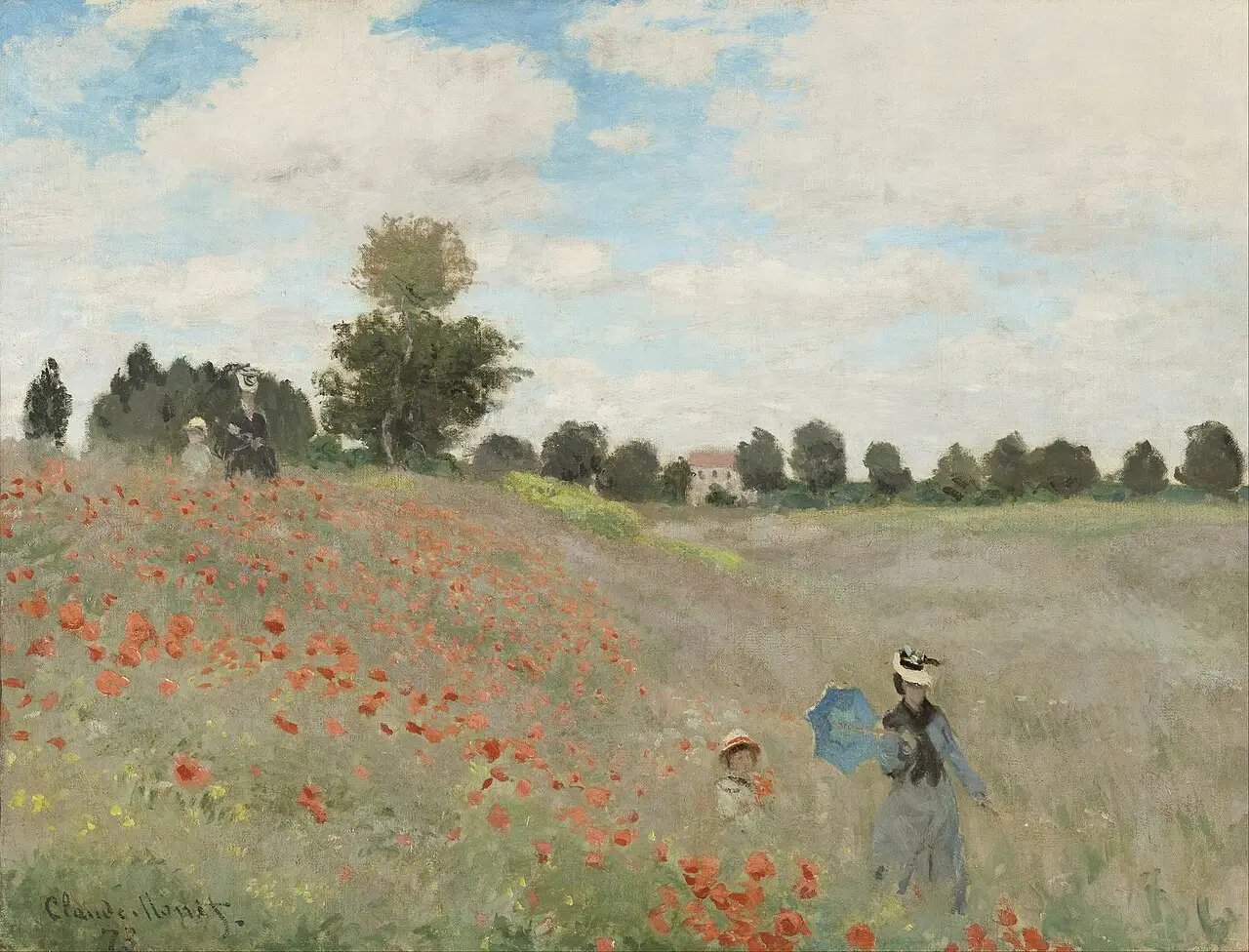
Source: Wikimedia Commons · image source · Public domain
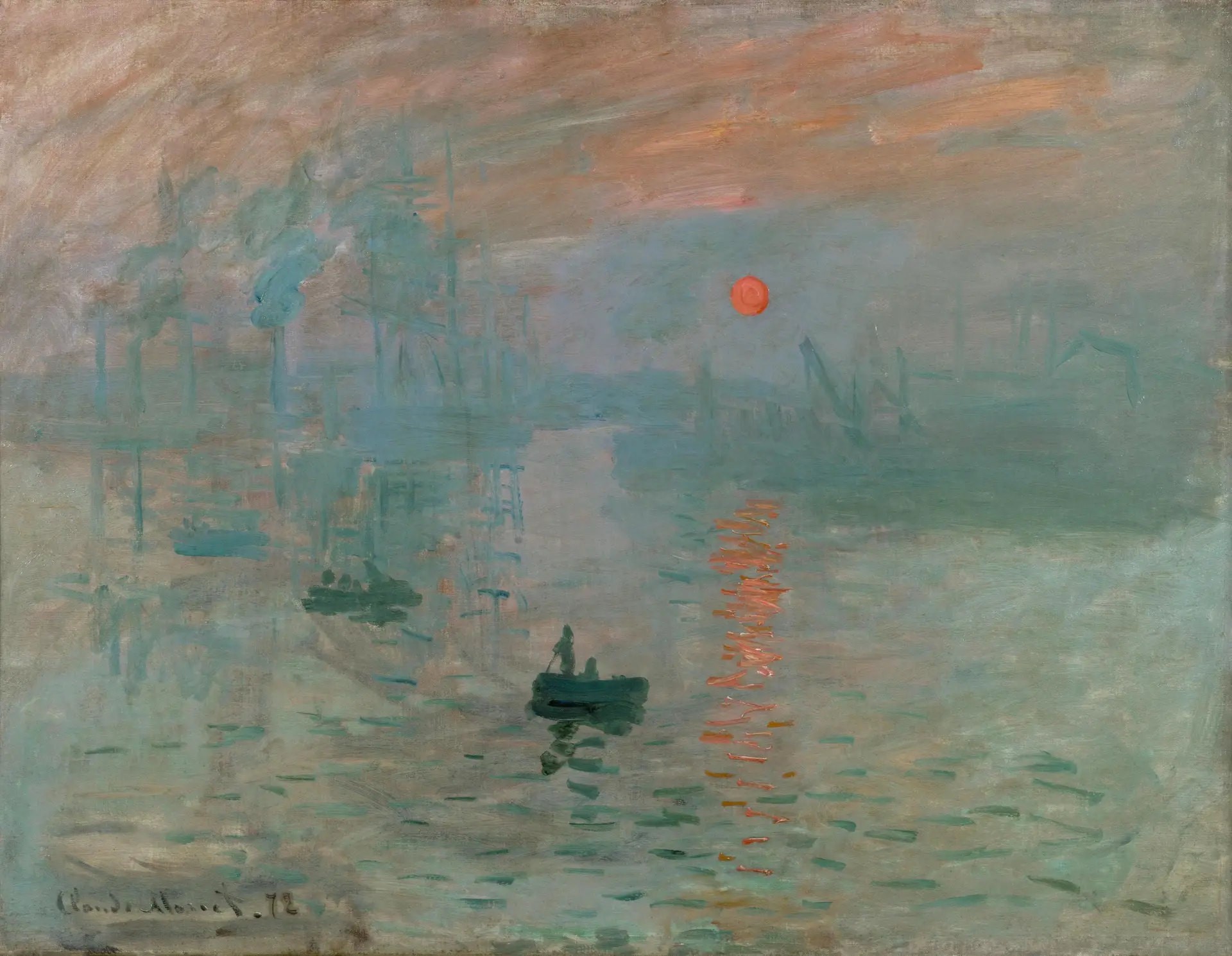
Source: Wikimedia Commons · image source · Public domain
The painting that named a movement
Claude Monet · 1872
Impression, Sunrise (1872) is a painting by Claude Monet that gave Impressionism its name. Painted in loose, visible brushstrokes, it was dismissed by a critic as a mere “impression” — and the label stuck to the whole movement.
This painting is interactive — hover or tap the plus markers to explore its details.

Source: Wikimedia Commons · image source · Public domain
Alexandre Cabanel · The Birth of Venus · 1863
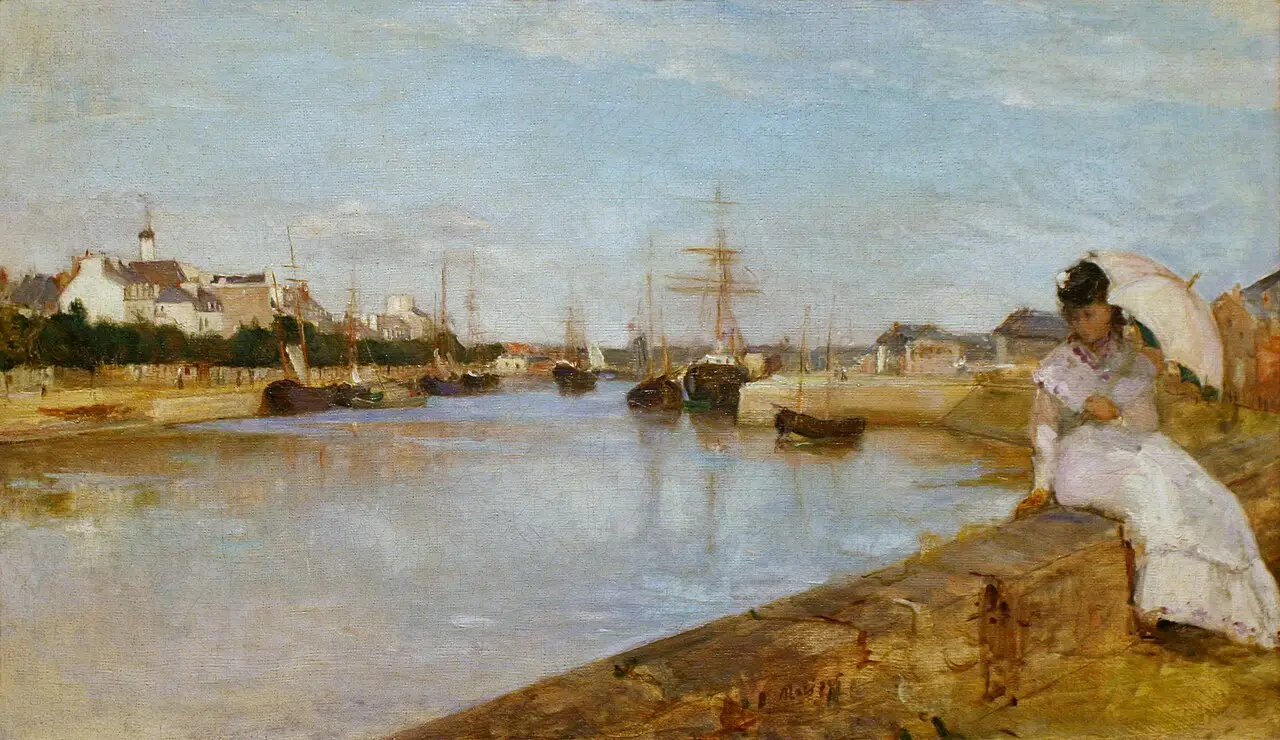
Source: Wikimedia Commons · image source · Public domain
Berthe Morisot · The Port at Lorient · 1869
Tap each topic to see the difference
From breaking academic rules to shaping modern art
— Impressionism changed how painters captured light, everyday life, and feeling.
Scroll, drag, or click a year to explore
1863
Édouard Manet · Luncheon on the Grass
Manet challenges the rules of academic art. His modern subject draws harsh criticism — and inspires a new generation of painters.
View painting →1872
Claude Monet · Impression, Sunrise
At the first independent exhibition, artists show their work outside the official Salon. The name “Impressionism” is born from Monet's painting.
View painting →1874–1886
Berthe Morisot · The Cradle
Impressionist painters organize eight exhibitions of their own and slowly win recognition for their new way of painting.
View painting →1888
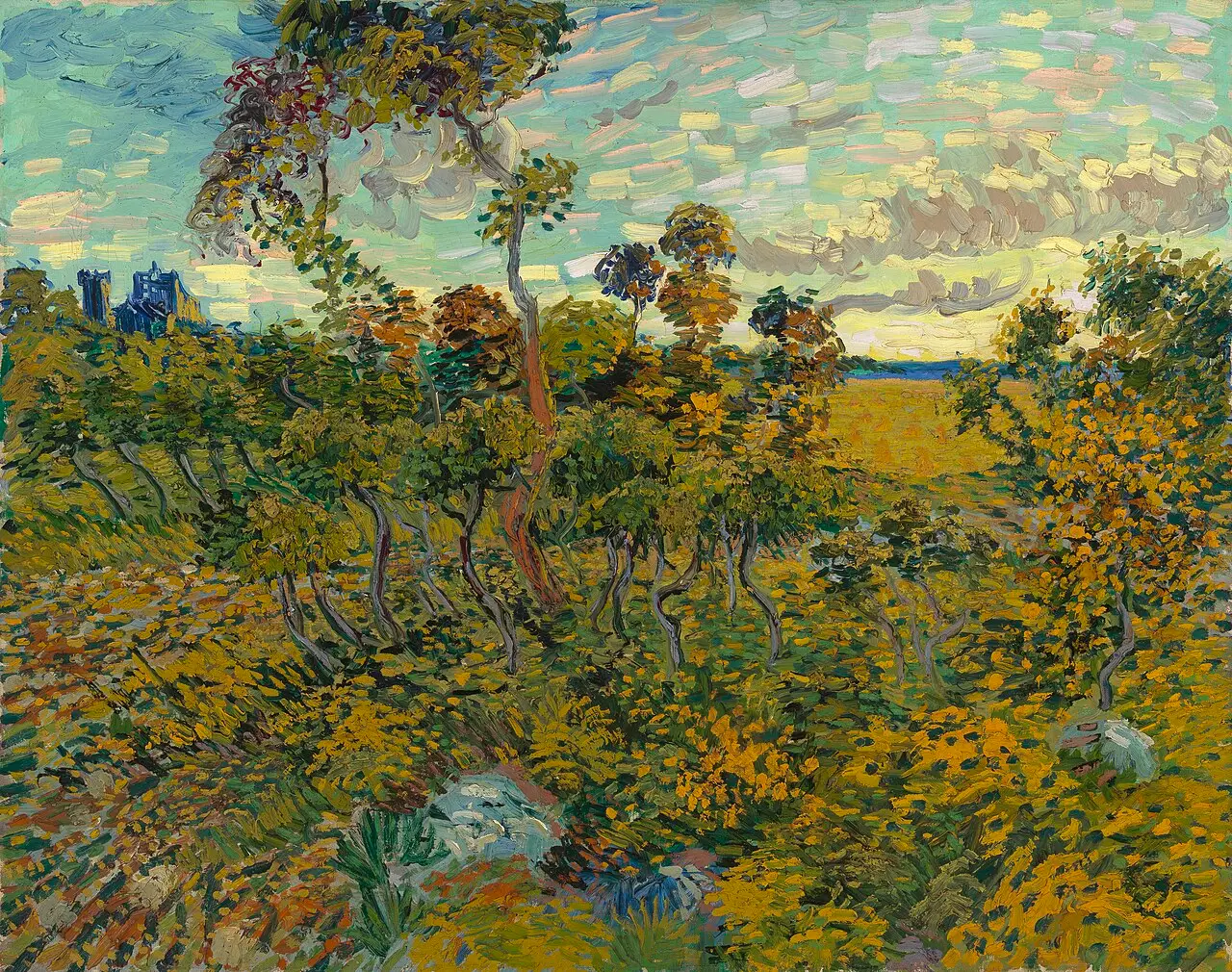
Vincent van Gogh · Sunset at Montmajour
Artists like Cézanne and van Gogh push the ideas of Impressionism further, giving more weight to structure and emotion.
View painting →1890s
Claude Monet · Haystack near Giverny
Monet studies how light and atmosphere transform a single moment. Series paintings become a hallmark of Impressionism.
View painting →Impressionism changes art forever, paving the way for the modern movements that follow.
Five painters at the heart of the movement — and the outsider who inspired them all — each shown through their most famous work.
Impression, Sunrise1840–1926
The Master of Light
Explored how light transforms colors and atmosphere through landscapes, water scenes, and gardens.
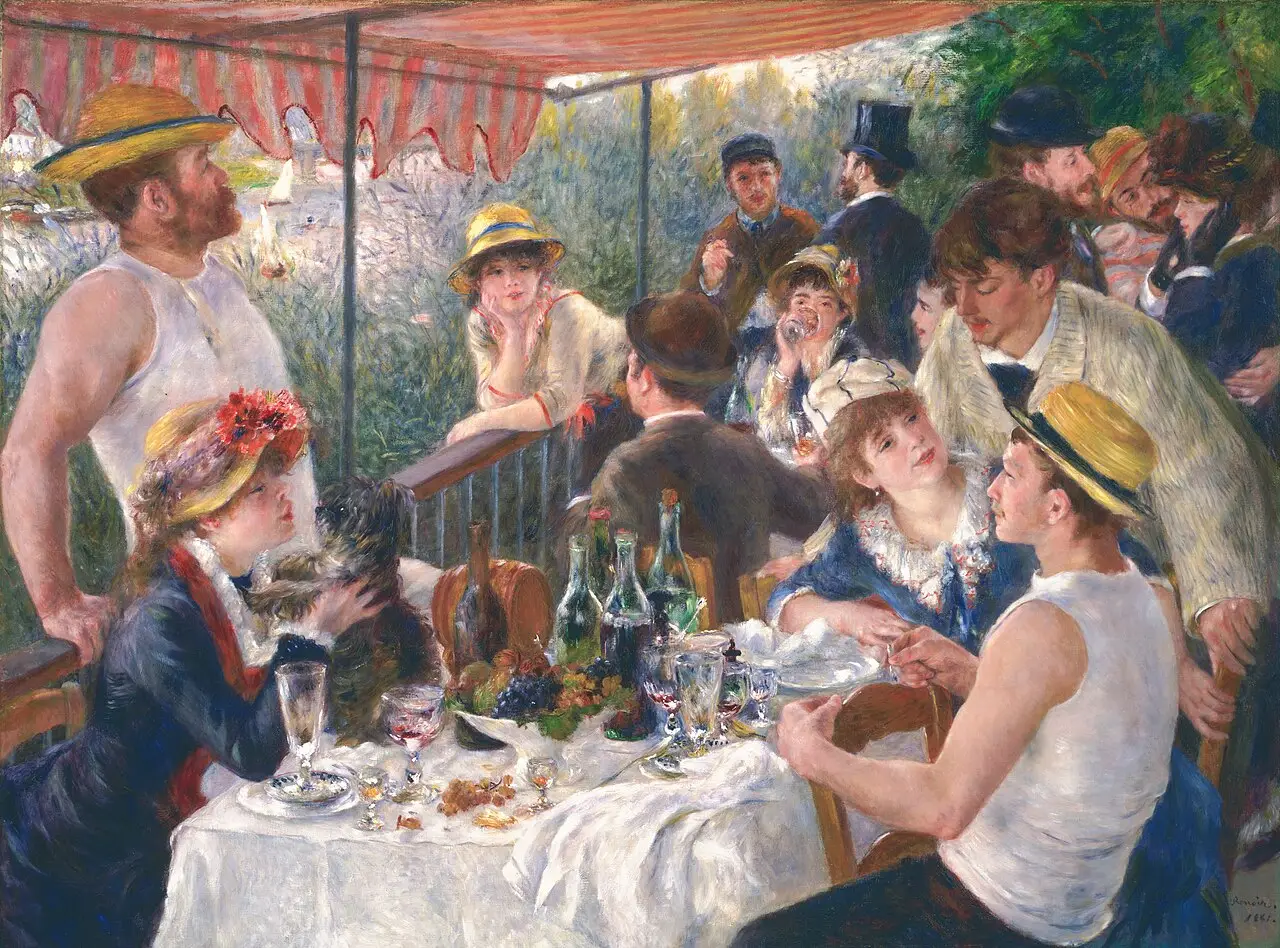 Luncheon of the Boating Party
1841–1919
The Painter of Modern Life
Captured people and social moments with warm colors, soft brushwork, and a sense of joy.
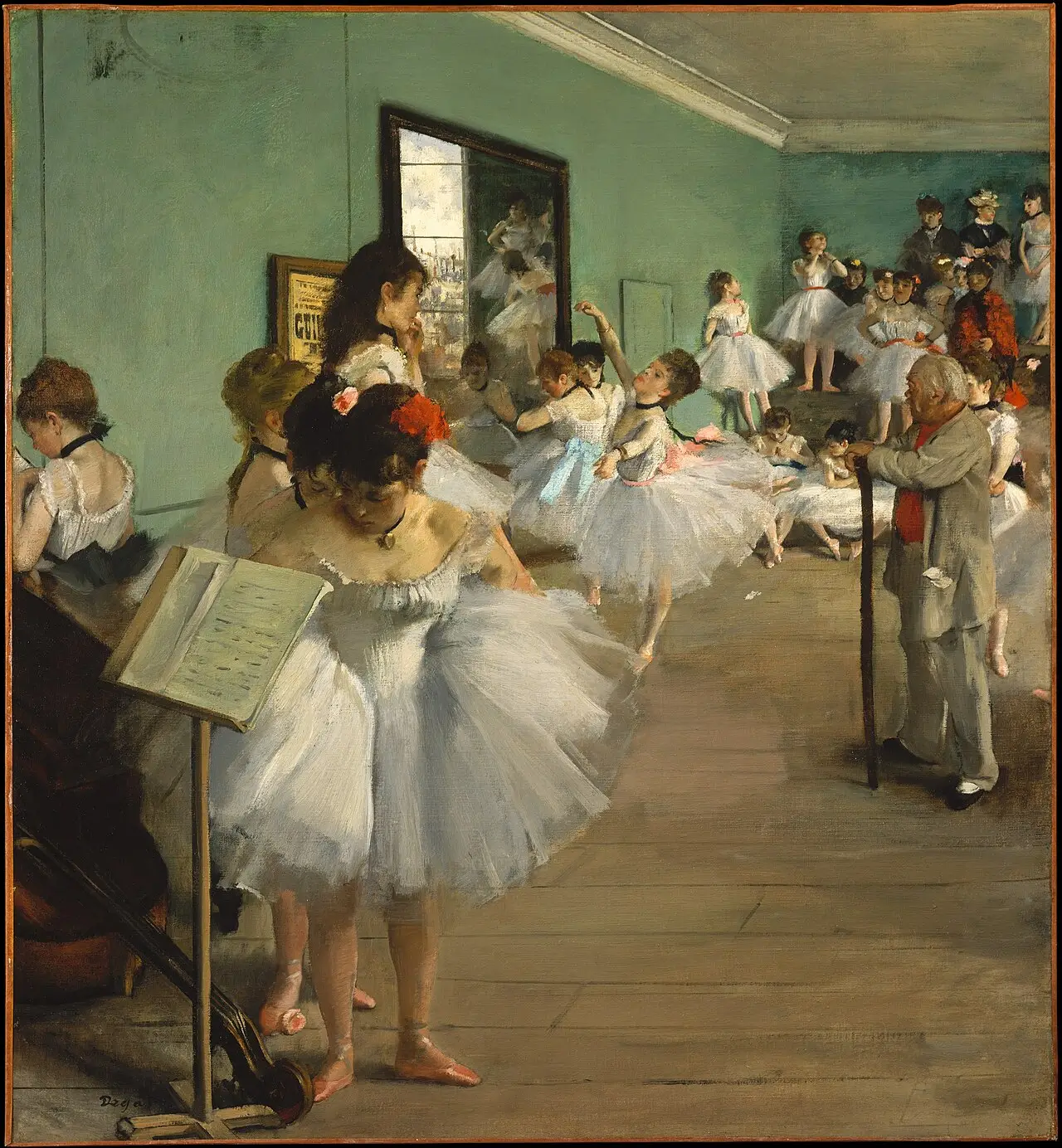 The Dance Class
1834–1917
The Observer of Movement
Portrayed dancers and everyday Paris life using bold perspectives and dynamic compositions.
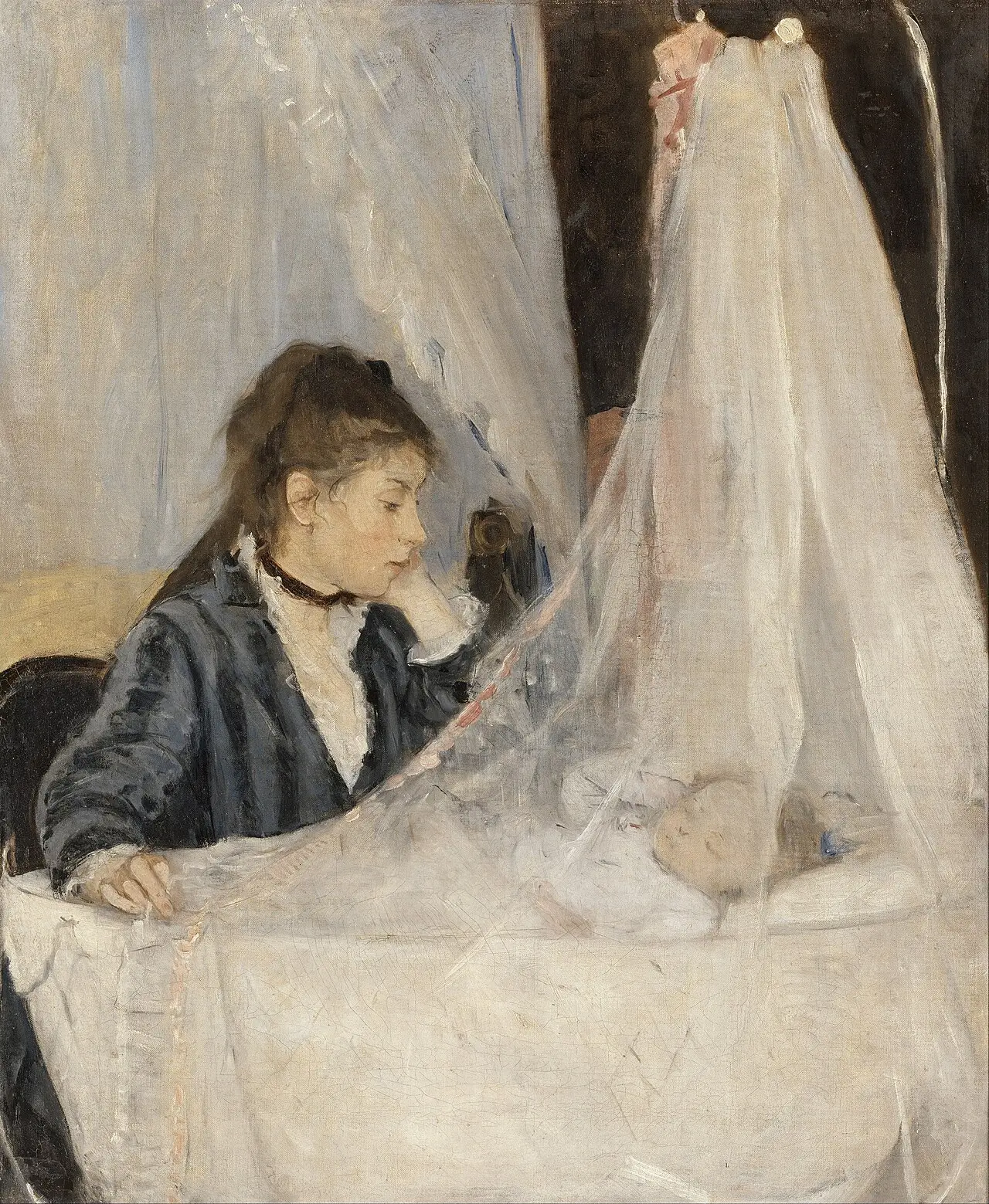 The Cradle
1841–1895
A Voice of Impressionism
Painted intimate scenes of women, children, and gardens with quick, delicate brushwork.
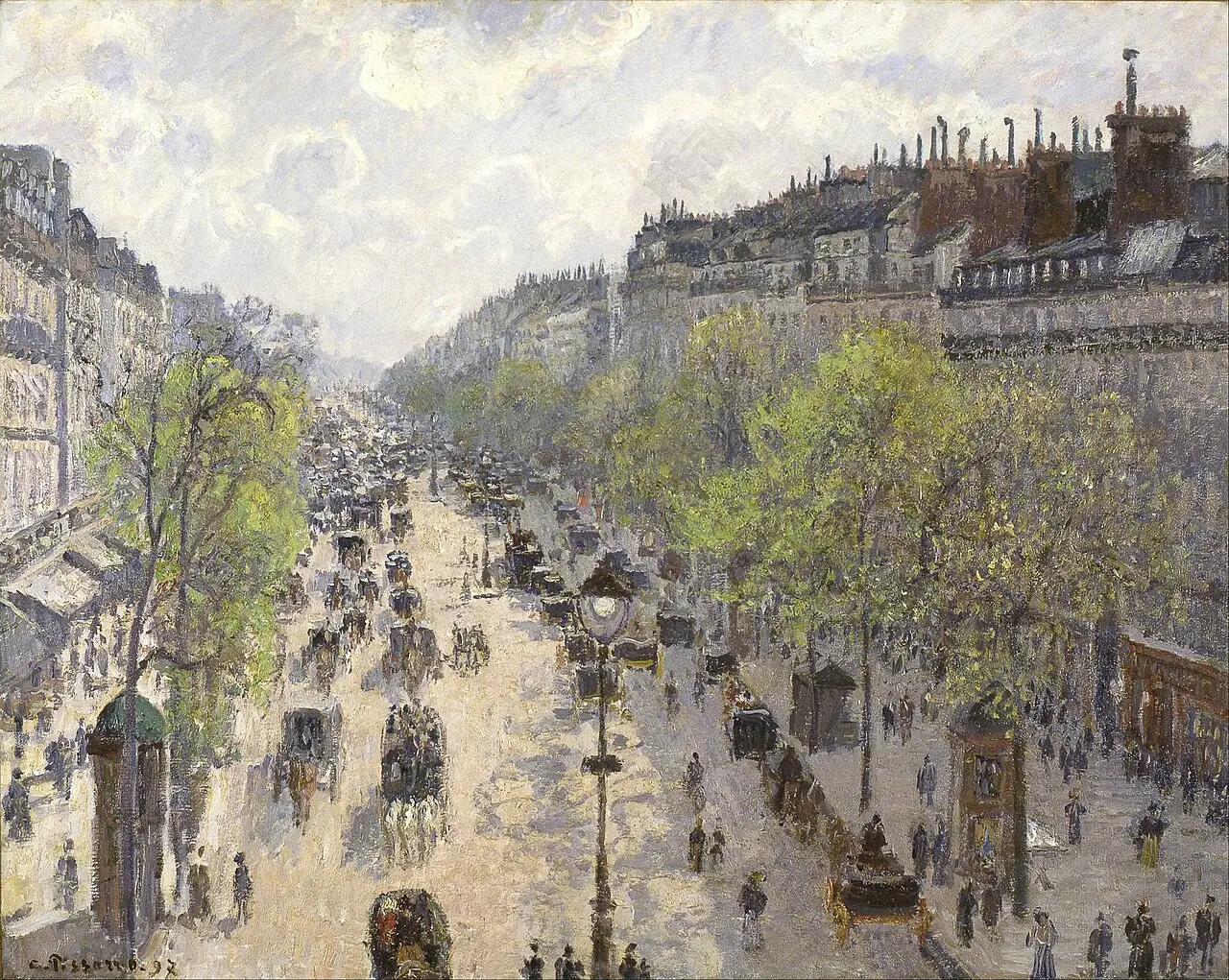 Boulevard Montmartre, Spring
1830–1903
The Foundation of the Movement
Developed Impressionist ideas through landscapes and city scenes while influencing younger artists.
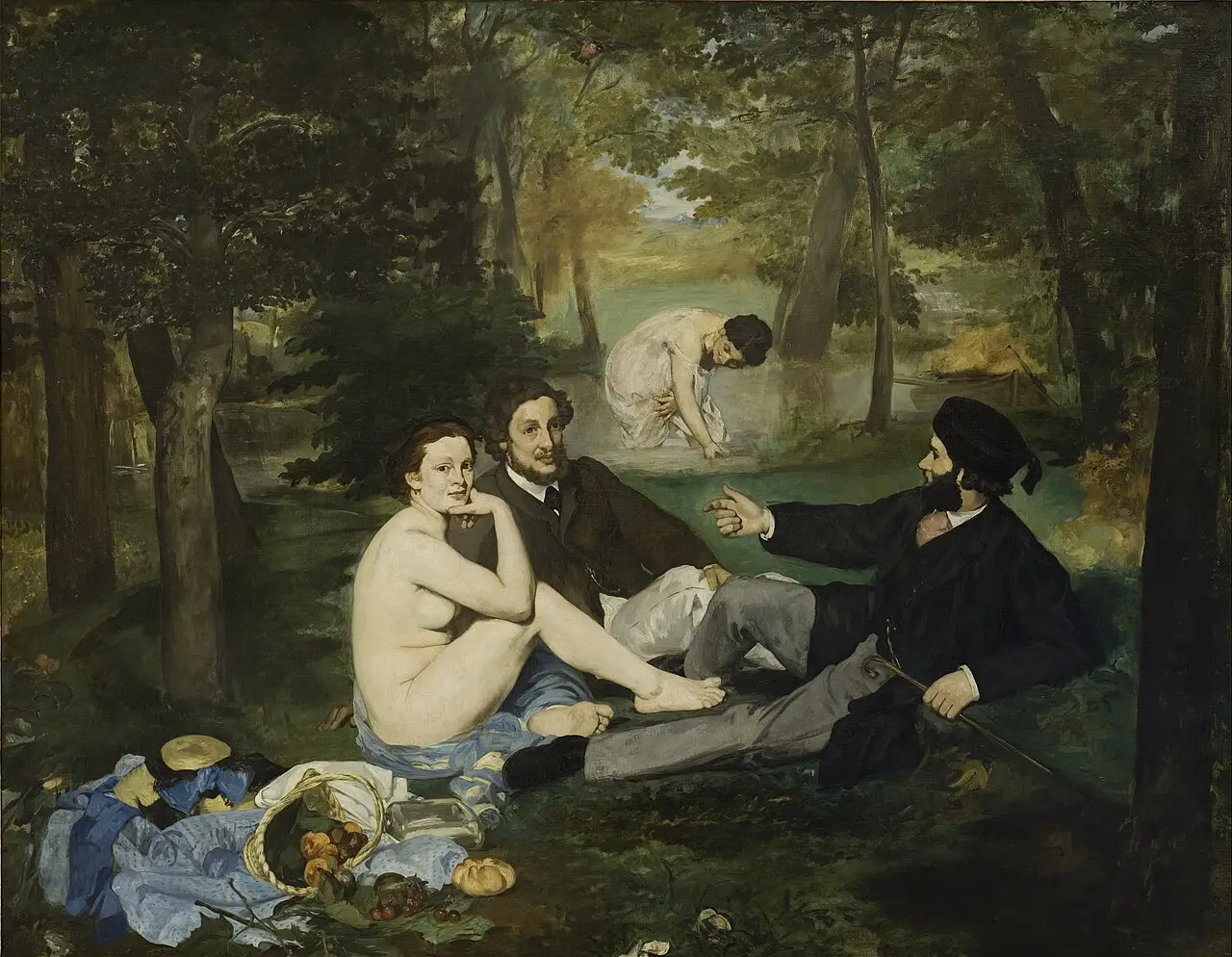 Luncheon on the Grass
1832–1883
The Pioneer of Modern Art
Challenged artistic traditions and inspired Impressionists, while remaining a Realist himself.
The colors most associated with Impressionism, though no single palette was ever standard — and painters usually mixed them rather than applying them pure. Click a color to see how it was typically used.
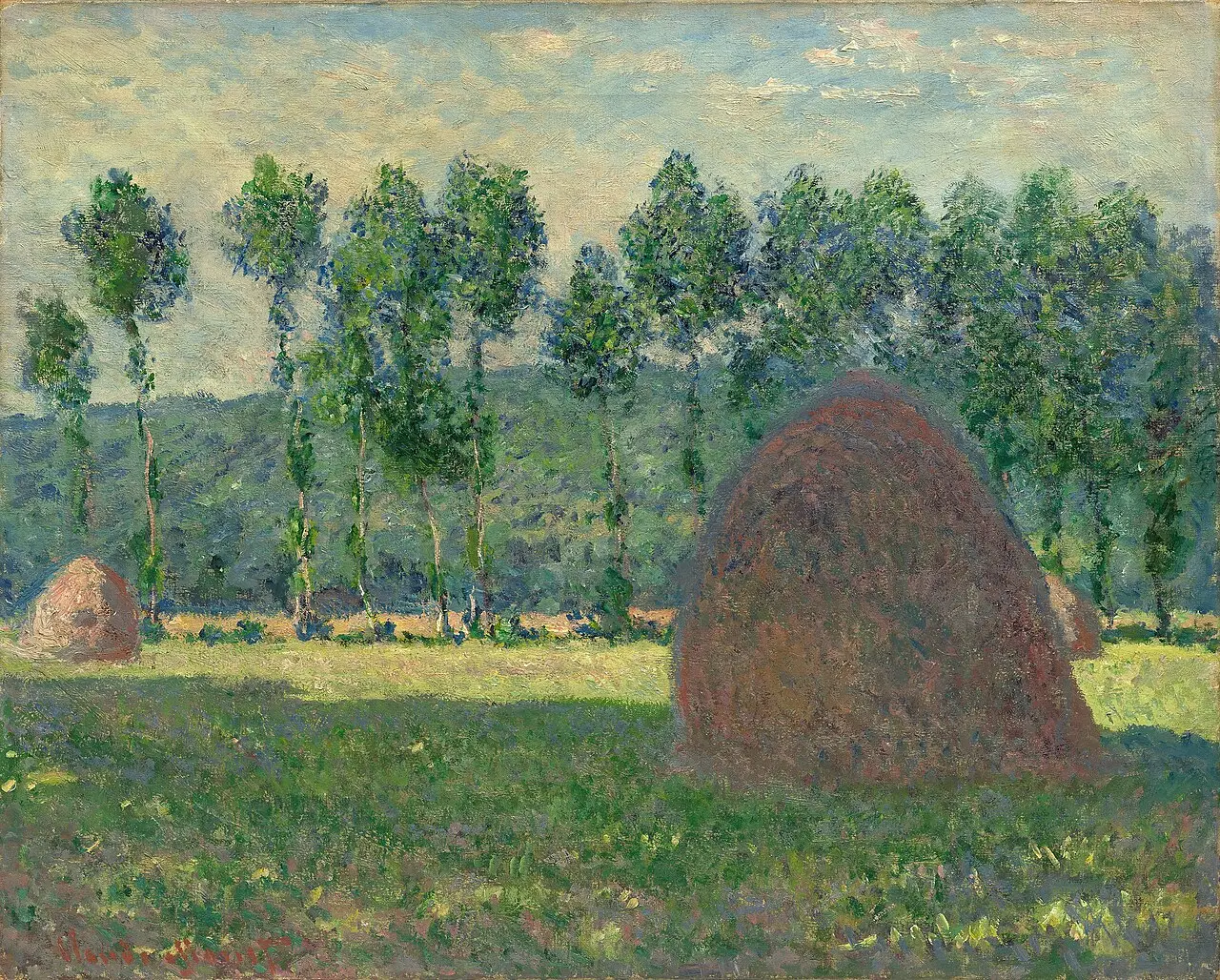
Where it was likely used: Haystack near Giverny, 1884
Cadmium Yellow
Synthesized in the 1840s; new enough that academic painters still distrusted it. Stayed brilliant in direct sunlight instead of fading or turning muddy.
Typically used for: Sunlight, straw, wheat fields, warm sunsets.
Cadmium is toxic — nineteenth-century tubes were the real, poisonous thing.
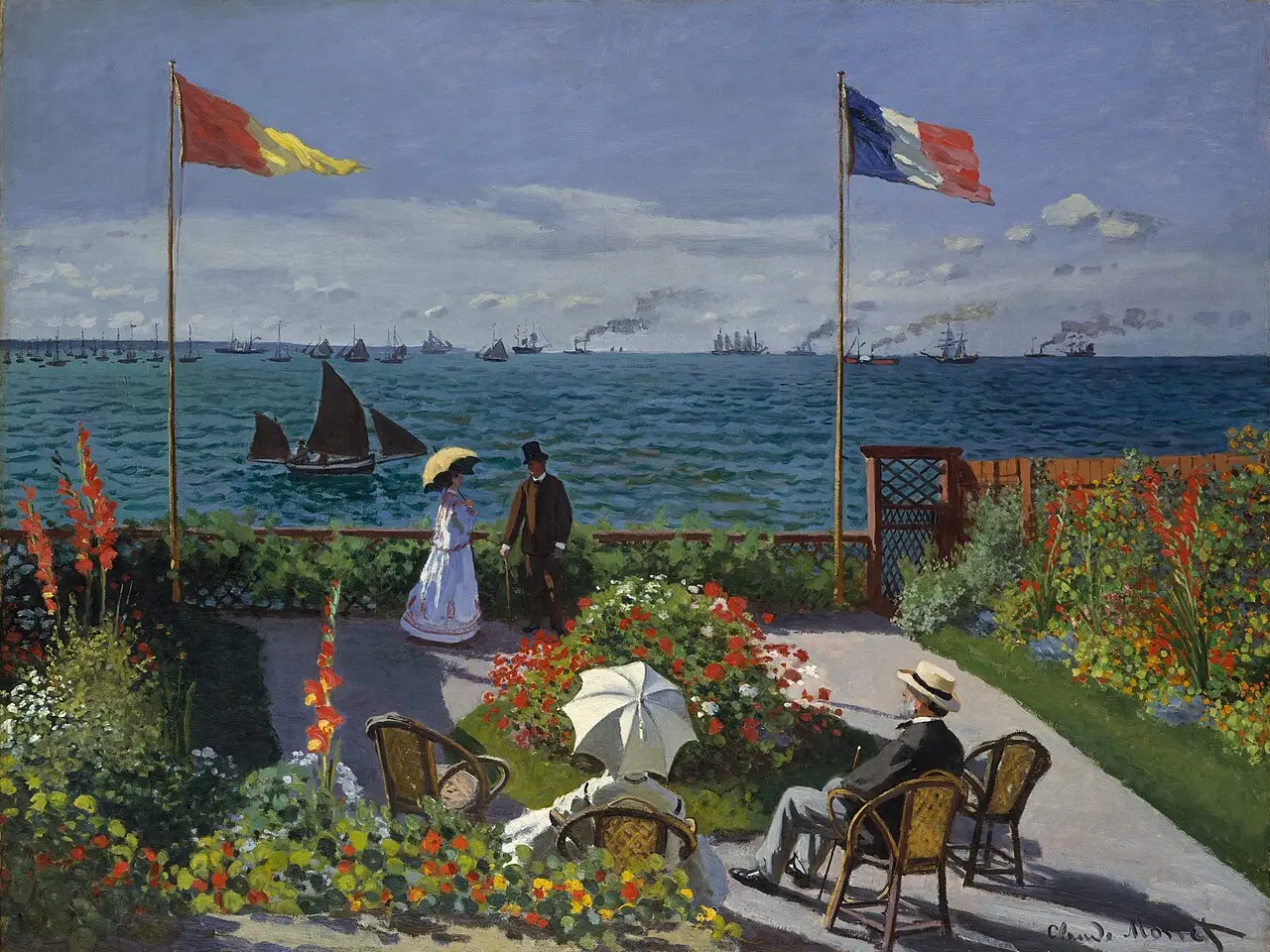
Source: Wikimedia Commons · image source · Public domain
How Painters Got Outdoors
Before 1841, paint had to be mixed by hand and dried out fast, so painting stayed in the studio. Ready-mixed tube paint, plus a train to the coast, suddenly let painters set up outside and work directly from nature.
The Seine was the movement’s main road. Click a place to see what was painted there.
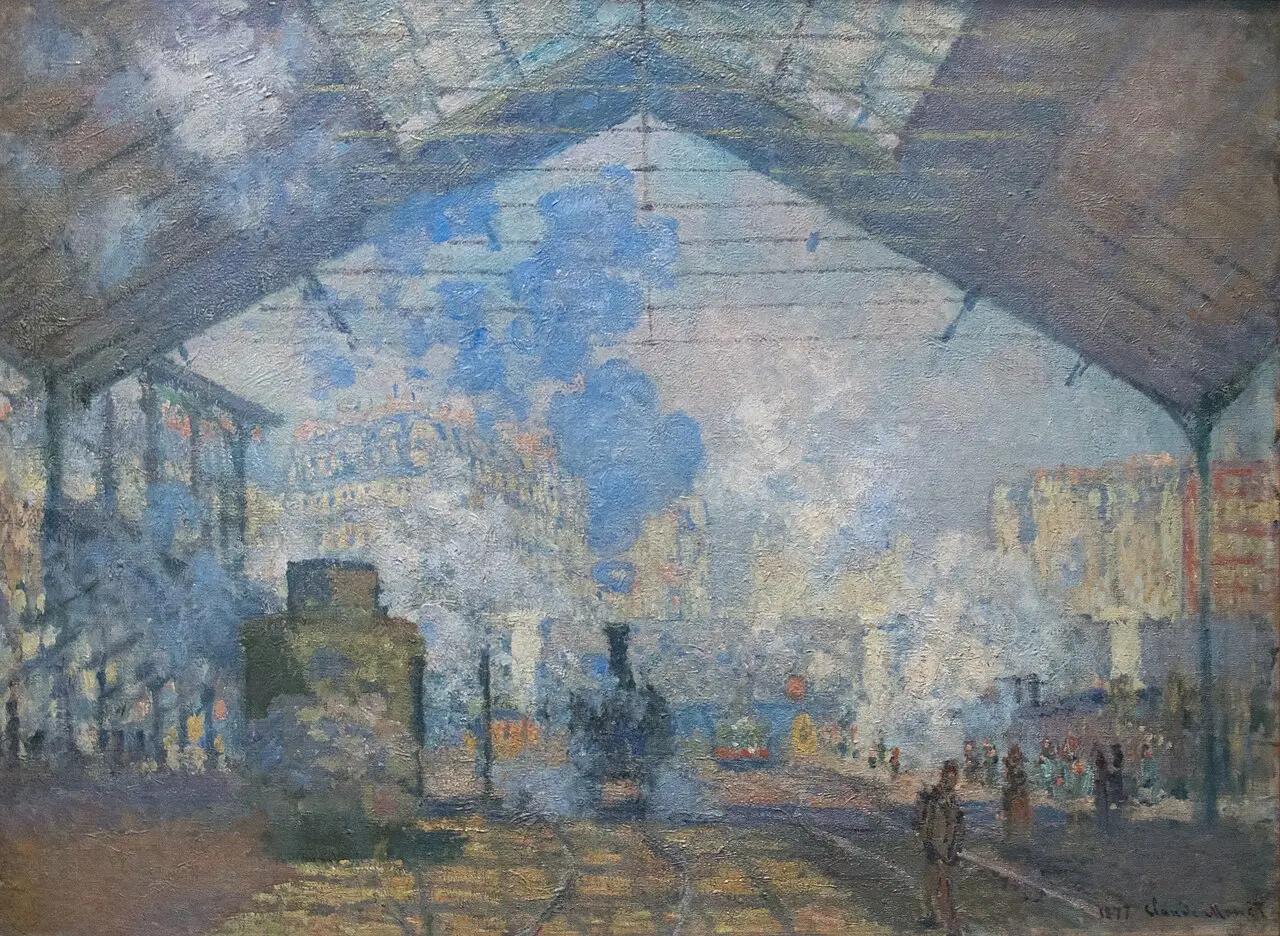
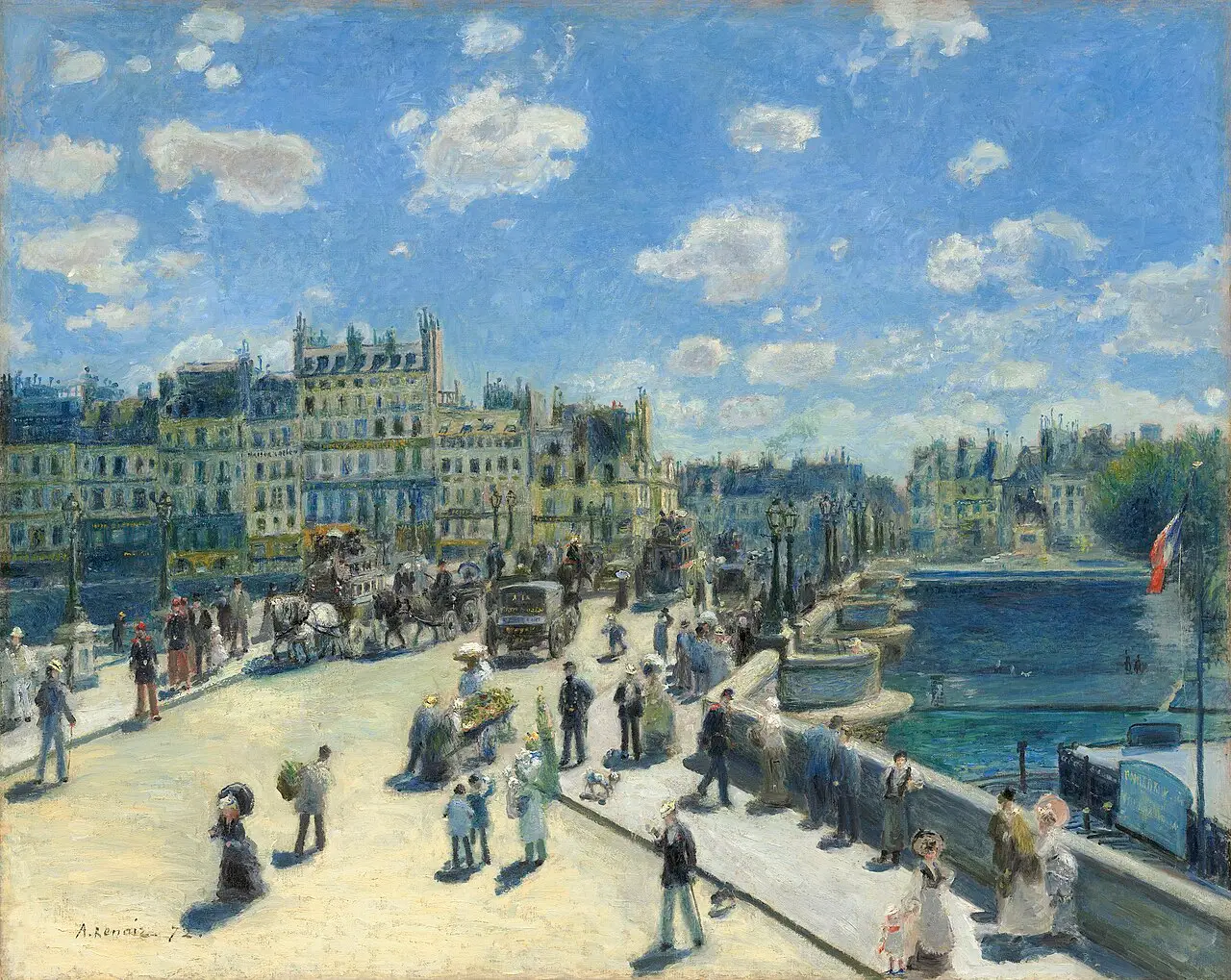
The movement's starting point. Monet, Renoir, Degas, and Pissarro all lived and worked here, painting modern city life — boulevards, cafés, and railway stations.
Discover the artists, paintings, and museums that shaped one of the most influential movements in art history.